Manaslu Circuit Trek 2026/2027: Cost, Itinerary, Permits & Complete Guide
1. Introduction about Manaslu Trek
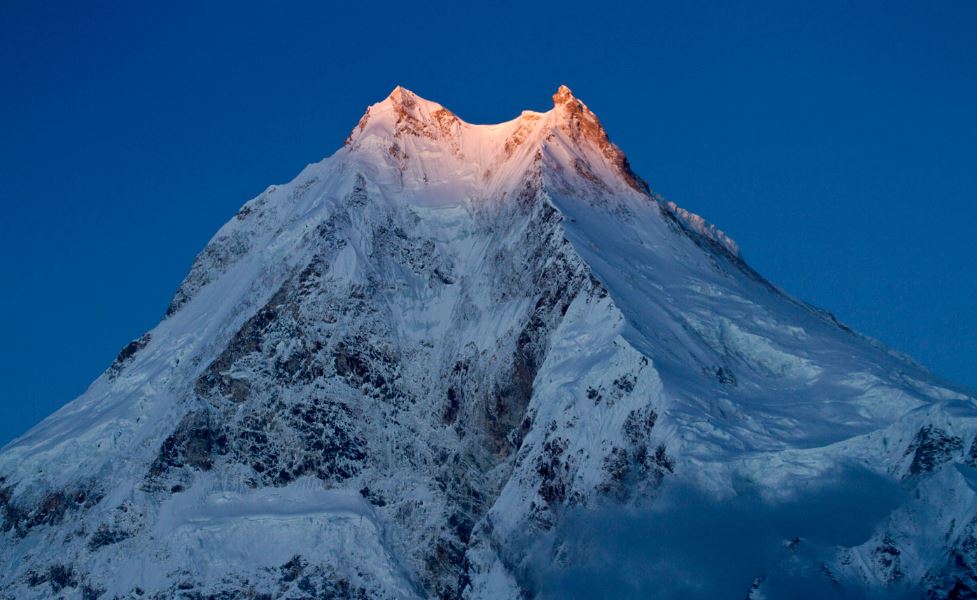
The Manaslu Circuit Trek 2026/2027 is one of Nepal’s most rewarding Himalayan journeys for trekkers/hikers who want spectacular mountain scenery, traditional villages, high mountain passes, Buddhist culture, and a quieter trail experience away from some of Nepal’s busiest trekking and hiking routes.
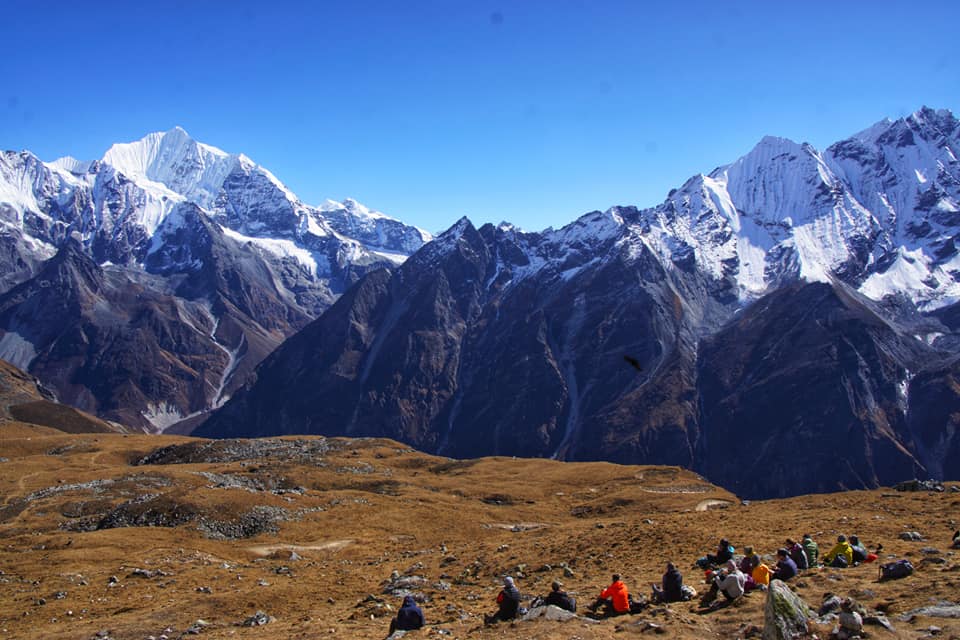
The trek circles Mount Manaslu, the world’s eighth-highest mountain at 8,163 meters, and travels through the remote valleys of the Manaslu region before crossing the spectacular Larkya La Pass at about 5,106 meters. The landscape changes dramatically throughout the journey: lower valleys are green and subtropical, while higher sections reveal Tibetan-influenced villages, glaciers, alpine landscapes and enormous Himalayan peaks of Nepal.
What makes Manaslu particularly special is the feeling of gradual discovery. You do not simply arrive at a famous viewpoint and leave. The scenery, culture and altitude change day after day.
For 2026/2027, trekkers should plan carefully because Manaslu is a restricted trekking region. Foreign trekkers need the appropriate restricted-area trekking permit, and the Manaslu Circuit is among the routes for which a licensed guide and agency-issued TIMS card are required under Nepal Tourism Board’s current provisions.
This guide explains the Manaslu Circuit Trek cost, itinerary options, permits, best seasons, difficulty, accommodation, transportation, packing, acclimatization, safety., insurance ,guide porters,food,prepartion a trek and practical preparation for a successful Himalayan adventure.
2. Manaslu Circuit Trek at a Glance
Trek Feature Manaslu Circuit Trek 2026/2027
Region Manaslu, Gorkha
Highest mountain Mount Manaslu – 8,163 m
Highest point Larkya La Pass – approximately 5,106 m
Typical duration 12–14 trekking days
Trek difficulty Challenging
Best seasons Spring and autumn
Main restricted area Chumnubri Rural Municipality
Starting roadhead Usually Machha Khola area
Main high-altitude village Samagaon
Major pass Larkya La
Trek style Teahouse/lodge trekking
Guide Required for the restricted route
TIMS Required under current NTB provisions
Manaslu restricted permit Seasonal; check current official rates
Manaslu Conservation Area entry Current foreigner fee listed by NTB: NPR 3,000
Typical group Private or small group
Main attractions Manaslu, Larkya La, Samagaon, Samdo, Buddhist culture, remote villages
The Manaslu Circuit is not simply a mountain walk adventure . It is a complete Himalayan journey combining high-altitude trekking, cultural exploration and remote landscapes.
The exact number of days depends on your starting and ending transportation, acclimatization strategy, walking pace and whether you want additional side trips such as Manaslu Base Camp or Birendra Lake.
________________________________________
3. Why Trek the Manaslu Circuit?
There are many reasons to choose the Manaslu Circuit instead of a more established trekking route.
The first is variety. In a single trek you experience changing vegetation, rivers, waterfalls, forests, traditional Gurung communities, Tibetan-influenced settlements, monasteries, glaciers and high Himalayan terrain.
The second is the mountain scenery. As you move toward the upper valley, Mount Manaslu becomes increasingly dominant. From different sections of the route, trekkers can see Manaslu and surrounding peaks from constantly changing perspectives.
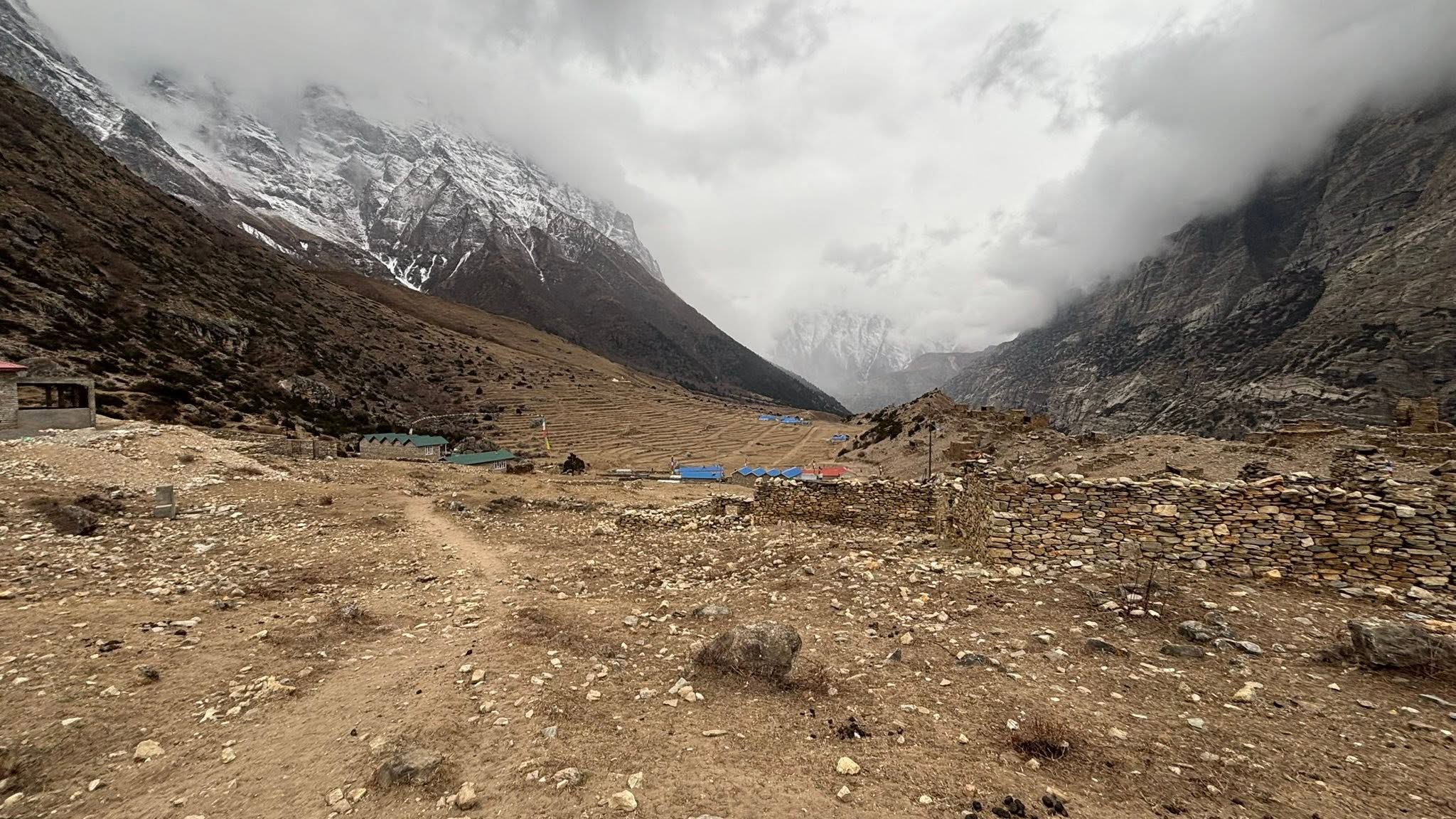
The third attraction is culture. Villages such as Namrung, Lho, Samagaon and Samdo provide opportunities to see architecture, prayer flags, mani walls, monasteries and traditions influenced by Tibetan Buddhism and more
Another major attraction is Larkya La Pass 5106m. Crossing the pass is one of the defining moments of the trek. The journey to the pass begins early, often in cold conditions, and the landscape becomes increasingly dramatic as you climb. Reaching the top provides a powerful sense of achievement.
Manaslu also appeals to trekkers who want something less crowded than Everest Base Camp during the busiest periods. It has become more popular, but it still retains a stronger sense of remoteness in many sections.
For photographers, the trek offers extraordinary opportunities. You can photograph rivers, suspension bridges, forests, villages, monasteries, prayer flags, glaciers, mountain peaks and changing Himalayan light.
Most importantly, Manaslu feels like a journey. The trail does not reveal everything at once. Every day brings a new landscape.
________________________________________
4. Manaslu Circuit Trek Cost 2026/2027
The Manaslu Circuit Trek cost in 2026/2027 depends on the number of hiking/trekking days, transportation, group size, accommodation level, guide and porter services, permits, meals and additional services.
There is no single price that applies to every trekker.
A private 12-day trek, a 14-day trek with additional acclimatization and a larger group departure can have very different costs. Your final quotation should therefore clearly explain what is included and excluded.
Main cost components
1. Restricted-area trekking permit
The current Department of Immigration information lists the Gorkha Manaslu restricted-area permit at:
• September–November: USD 100 per person per week
• Beyond one week during September–November: USD 15 per person per day
• December–August: USD 75 per person per week
• Beyond one week during December–August: USD 10 per person per day.
Because government fees can change, trekkers should confirm the applicable rate before departure.
2. Manaslu Conservation Area entry fee
Nepal Tourism Board currently lists the foreigner entry fee for Manaslu Conservation Area at NPR 3,000 per person per entry.
3. TIMS
The current NTB information lists TIMS charges at NPR 2,000 for travelers from countries outside SAARC and NPR 1,000 for SAARC travelers. The Manaslu Circuit is included among the routes covered by the mandatory guide/TIMS provision.
4. Guide
A licensed local trekking guide is an important part of the Manaslu experience and is required under the current restricted-route rules.
5. Porter
A porter can carry your main luggage while you walk with a smaller daypack. Porter costs vary according to agency, season, group size and luggage arrangements.
6. Transportation
Your package may include Kathmandu to Machha Khola and transportation from Dharapani or another ending point back toward Kathmandu or Pokhara.
7. Accommodation and food
Teahouse accommodation and meals represent another major part of the trekking budget.
When comparing companies, do not compare only the headline price. Ask whether permits, TIMS, transportation, guide, porter, accommodation, meals, insurance assistance and emergency support are included.
A transparent quotation is much more valuable than an artificially low advertised price with major exclusions.
________________________________________
5. Manaslu Trek Itinerary – 12 Days and 14 Days
A good Manaslu itinerary should balance adventure with sensible acclimatization.
12-Day Manaslu Circuit Trek
A compact itinerary may look like this:
Day 1: Kathmandu to Machha Khola
Day 2: Machha Khola to Jagat
Day 3: Jagat to Deng
Day 4: Deng to Namrung
Day 5: Namrung to Samagaon
Day 6: Acclimatization day in Samagaon
Day 7: Samagaon to Samdo
Day 8: Samdo to Dharamsala
Day 9: Dharamsala to Larkya La Pass and Bhimthang
Day 10: Bhimthang to Dharapani
Day 11: Dharapani to Besisahar
Day 12: Besisahar to Kathmandu
This itinerary is suitable for trekkers who are comfortable with relatively long walking days and road transportation.
14-Day Manaslu Circuit Trek
A 14-day version provides more flexibility.
Day 1: Kathmandu to Machha Khola
Day 2: Machha Khola to Jagat
Day 3: Jagat to Deng
Day 4: Deng to Namrung
Day 5: Namrung to Lho
Day 6: Lho to Samagaon
Day 7: Acclimatization and exploration around Samagaon
Day 8: Samagaon to Samdo
Day 9: Samdo to Dharamsala
Day 10: Dharamsala to Larkya La and Bhimthang
Day 11: Bhimthang to Tilije
Day 12: Tilije to Dharapani
Day 13: Dharapani to Besisahar
Day 14: Besisahar to Kathmandu
The exact itinerary should be adjusted according to road conditions, weather, fitness, acclimatization and current trail conditions.
________________________________________
6. Manaslu Trek Permits 2026/2027
Permits are one of the most important things to understand before booking the Manaslu Circuit.
Manaslu is a restricted trekking region. Foreign visitors cannot simply arrive at the trailhead and begin an independent trek without the required documentation.
The current Department of Immigration information identifies Gorkha Manaslu as a restricted trekking area covering parts of Chumnubri Rural Municipality and provides seasonal restricted-area permit rates.
The current rates listed by the Department of Immigration are:
September–November: USD 100 per person per week, then USD 15 per person per day beyond one week.
December–August: USD 75 per person per week, then USD 10 per person per day beyond one week.
In addition, trekkers need the applicable conservation-area entry permit. Nepal Tourism Board currently lists the Manaslu Conservation Area foreigner entry fee as NPR 3,000.
The Manaslu Circuit is also included in NTB’s current list of routes requiring a licensed trekking guide and agency-issued TIMS card.
Because government regulations and fees can be revised, a professional trekking agency should verify all permits immediately before the trek.
For travellers, this is one reason choosing a registered Nepal trekking agency is useful: the agency Nepal planet Treks and Expedition Pvt. Ltd.
can organize the restricted-area permit, TIMS and supporting documentation before the trek begins.
________________________________________
7. Best Time to Trek Manaslu
The best seasons for the Manaslu Circuit are generally spring and autumn.
Spring: March to May
Spring brings warmer temperatures, improving trail conditions and beautiful mountain scenery. Rhododendrons and other flowers add color to lower sections of the route.
March can still be cold at higher elevations. April and May are generally excellent months, although conditions can vary from year to year.
Autumn: September to November
Autumn is one of the most popular periods for trekking in Nepal. After the monsoon, the atmosphere can become clearer and mountain visibility is often excellent.
October is particularly popular for Manaslu.
November can also be beautiful, but temperatures become progressively colder, especially around Samdo, Dharamsala and Larkya La.
Winter: December to February until march 15th
Winter brings cold temperatures and potential snow around the high pass. Experienced trekkers with appropriate equipment may still undertake the trek when conditions permit, but the route requires more careful planning.
Monsoon: June to August last
The lower Manaslu trail can be affected by rain, landslides, muddy trails and road conditions during the monsoon.
That does not automatically mean every day is impossible, but it is generally not the first choice for travelers seeking stable weather and clear mountain views.
________________________________________
8. Manaslu Circuit Difficulty
The Manaslu Circuit Trek and adventure is best described as challenging, although the difficulty varies considerably between trekkers.
You do not need to be a professional mountaineer. However, you should be prepared for multiple days of walking, significant elevation gain, changing weather and high-altitude conditions.
One of the biggest challenges is not simply the distance. It is the combination of distance and altitude.
At lower elevations, the trail can be physically demanding because of steep climbs, descents, suspension bridges and uneven terrain. Higher in the valley, the environment becomes colder and thinner.
The Larkya La crossing is the key physical challenge. The pass reaches approximately 5,106 meters, and the crossing usually involves an early start and several hours of walking.
Preparation should include cardiovascular exercise, long-distance walking, stair climbing and strength training before your trip.
Do not judge your ability only by how fast you can walk at sea level. Altitude affects everyone differently.
A slower trekker who listens to their guide, drinks enough fluids, rests properly and acclimatizes carefully may have a better experience than someone who tries to walk too quickly.
The right mind-set is important: Manaslu is not a race.
________________________________________
9. Larkya La Pass – 5,106 m
Larkya La Pass is the highest point of the classic Manaslu Circuit trek and one of the most memorable Himalayan pass crossings in Nepal.
At approximately 5,106 meters, the pass represents the physical and emotional high point of the journey.
The day normally starts early from the Dharamsala/Phedi area. Trekkers/ hikers climb gradually through increasingly rugged terrain. Depending on weather and trail conditions, snow and ice may be present.
As you gain altitude, breathing becomes harder and every step can feel slower.
The pass itself is surrounded by an extraordinary mountain environment. The landscape includes snow-covered peaks, glaciers and broad Himalayan valleys.
After reaching the top, trekkers descend toward Bhimthang. The descent is long but rewarding because the landscape changes dramatically.
The most important preparation for Larkya La is acclimatization. A good itinerary should not rush from low altitude directly toward the pass.
Weather can also change quickly. Strong wind, snowfall, cloud and freezing temperatures can make the crossing significantly harder.
Your guide should assess conditions and make decisions based on the safety of the group rather than simply following a fixed schedule.
Reaching Larkya La is not about proving that you can suffer. It is about completing the crossing safely and enjoying the experience.
________________________________________
10. Altitude and Acclimatization
Altitude is one of the most important considerations on the Manaslu Circuit.
As you climb, the air contains less available oxygen. Your body needs time to adjust.
A typical Manaslu itinerary includes an acclimatization day around Samagaon because this is an important stage before continuing toward Samdo and the Larkya La section.
An acclimatization day does not necessarily mean lying in bed all day. A short hike to a higher elevation and return can help your body adapt while allowing you to explore the surrounding landscape.
Common symptoms of mild altitude sickness can include headache, tiredness, reduced appetite, dizziness and disturbed sleep.
More serious symptoms should never be ignored.
The basic rule is simple: if symptoms are getting worse, do not continue climbing.
Your guide should monitor the group’s condition and make decisions about rest, descent or emergency evacuation when necessary.
Good hydration, gradual ascent, adequate rest and avoiding unnecessary alcohol at altitude are sensible precautions.
No fitness level completely eliminates altitude risk. Even experienced trekkers can develop altitude-related problems.
This is why a properly designed itinerary is more important than trying to finish the trek in the fewest possible days.
________________________________________
11. Accommodation and Food
Accommodation on the Manaslu Circuit is primarily based on local teahouses and mountain lodges.
Facilities become simpler as you travel higher.
In lower villages, accommodation may offer relatively comfortable rooms and dining areas. Higher in the valley, rooms are generally more basic, and the number of available beds can be limited during busy trekking periods.
Rooms are commonly twin-sharing, although private rooms may be available in some places depending on the lodge and season.
Food is an important part of the trekking experience.
Typical meals may include:
• Dal bhat
• Rice
• Noodles
• Pasta
• Soup
• Tibetan bread
• Potatoes
• Eggs
• Vegetables
• Momos
• Porridge
• Pancakes
• Tea and coffee
Dal bhat remains a favorite because it provides a filling combination of rice, lentils, vegetables and often additional curry.
At higher elevations, food choices may become more limited because supplies must travel long distances.
Trekkers should not expect city-style restaurant menus in remote villages.
Eating enough is important, especially during long walking days. Carrying a few favorite snacks such as energy bars, nuts, chocolate or dried fruit can also be useful.
________________________________________
12. Transportation: Kathmandu to Machha Khola
Transportation is an important part of the Manaslu Circuit because the trek begins with a road journey from Kathmandu toward the Gorkha region.
The exact road head can change depending on road conditions and current transportation arrangements.
Many itineraries use Machha Khola or nearby locations as the starting point.
The road journey can be long and sometimes uncomfortable. Nepal’s mountain roads are affected by weather, construction, traffic and seasonal conditions.
A private vehicle can provide greater flexibility, while public transportation can reduce cost but may involve more waiting and less comfort.
Your trekking agency should confirm the current road and vehicle situation before departure rather than relying on an old itinerary.
At the end of the trek, many travellers descend toward Dharapani and then continue by road toward Besisahar and Kathmandu or Pokhara.
Transportation time should always be treated as flexible.
A road that takes a certain number of hours under ideal conditions may take considerably longer after rain, road construction or traffic.
This is another reason not to schedule an important international flight immediately after the trek without a safety buffer.
________________________________________
13. Manaslu Trek Packing List Gear List :
Good equipment can make a major difference on the Manaslu Circuit.
You do not need to carry every piece of mountaineering equipment, but you should be prepared for temperatures ranging from relatively warm lower valleys to freezing conditions at high altitude.
Clothing
• Moisture-wicking base layers
• Fleece jacket
• Warm down or insulated jacket
• Waterproof jacket
• Waterproof trousers
• Trekking trousers
• Thermal underwear
• Warm hat
• Sun hat
• Gloves
• Warm socks
• Comfortable trekking shirts
Footwear
• Good trekking boots
• Comfortable camp shoes or sandals
• Spare socks
Sleeping equipment
A warm sleeping bag is strongly recommended, particularly during colder seasons.
Personal equipment
• Backpack
• Daypack
• Trekking poles
• Headlamp
• Sunglasses
• Sunscreen
• Water bottles
• Water purification tablets/filter
• Personal first-aid supplies
• Power bank
• Phone/camera
• Universal charging adapter
• Small towel
Documents
Carry your passport and relevant trekking documents as instructed by your trekking agency.
Pack as lightly as possible. If you use a porter, organize your main luggage carefully and keep important personal items in your daypack.
________________________________________
14. Guide and Restricted-Area Requirements
The Manaslu Circuit is not the same as an ordinary independent hiking route.
Nepal Tourism Board’s current TIMS information specifically includes the Manaslu Circuit Trek, Manaslu–Tsum Valley Trek and Tsum Valley Trek among routes where trekkers must be accompanied by a licensed trekking guide and carry an agency-issued TIMS card.
The Department of Immigration also states that trekking permits for Nepal’s designated restricted areas are required for foreign visitors and are issued through registered trekking agencies.
This means traveller’s
should arrange their trek through a registered trekking agency rather than arriving independently and trying to organize permits at the last moment.
A good guide does more than walk at the front of the group.
Your guide can help with:
• Route navigation
• Accommodation
• Local communication
• Weather decisions
• Altitude monitoring
• Cultural understanding
• Permit procedures
• Emergency coordination
• Adjusting the itinerary when necessary
The best guide is not necessarily the person who walks fastest.
A good Himalayan guide is someone who understands the mountain, communicates clearly and knows when the group should slow down, rest or change plans.
________________________________________
15. Safety and Altitude Advice
Safety should be part of the trek from the moment you begin planning.
The most important safety issue on Manaslu is altitude, but it is not the only one.
Weather, road conditions, trail conditions, falls, dehydration, exhaustion and changing mountain conditions can all affect a trek.
Before departure, make sure your travel insurance covers trekking at the maximum altitude of your itinerary and includes emergency evacuation when appropriate.
At altitude:
• Walk slowly.
• Drink regularly.
• Eat enough.
• Tell your guide if you feel unwell.
• Do not ignore worsening symptoms.
• Avoid rushing the itinerary.
• Follow your guide’s instructions.
• Be prepared for cold weather.
• Keep your phone and power bank charged.
The mountain should always have the final word.
If weather makes Larkya La unsafe, the correct decision may be to wait or change the plan rather than forcing the crossing.
A professional trekking company should have an emergency procedure for serious illness or injury and should be able to coordinate evacuation support when necessary.
Safety is not something to advertise only after a problem happens. It should be built into the itinerary from day one.
________________________________________
16. Manaslu Circuit vs Annapurna Circuit
Manaslu Circuit and Annapurna Circuit are both outstanding Himalayan treks, but they offer different experiences.
Manaslu Circuit
Manaslu is generally more remote and has a stronger feeling of wilderness.
It offers:
• Fewer developed sections
• Restricted-area trekking
• Tibetan-influenced culture
• Mount Manaslu views
• Larkya La Pass
• Traditional mountain villages
• A quieter overall experience
Annapurna Circuit
Annapurna is generally more developed and offers greater infrastructure in many sections.
It offers:
• Thorong La Pass
• Annapurna and Dhaulagiri scenery
• Greater variety of accommodation
• More transportation options
• Easier access from several locations
• Strong cultural diversity
Which is better?
There is no universal answer.
If you want a more remote Himalayan adventure and enjoy the feeling of exploration, Manaslu may be the better choice.
If you prefer a more developed trekking route with extensive lodge infrastructure and transportation options, Annapurna may suit you better.
Experienced trekkers who have enough time can also consider combining different regions in separate journeys.
17. Frequently Asked Questions
1. How difficult is the Manaslu Circuit Trek?
It is a challenging high-altitude trek. Good physical preparation and appropriate acclimatization are important, especially before crossing Larkya La.
2. How many days does Manaslu Circuit Trek take?
Most travelers choose around 12–14 trekking days, although the ideal duration depends on the itinerary, transportation and acclimatization plan.
3. What is the highest point of Manaslu Circuit?
The classic route crosses Larkya La Pass at approximately 5,106 meters.
4. What is the best month for Manaslu Trek?
October is particularly popular, while September, November, April and May can also provide excellent trekking conditions depending on weather.
5. Is a guide required for Manaslu?
Yes. The current Nepal Tourism Board provisions list Manaslu Circuit among routes requiring a licensed trekking guide and agency-issued TIMS card.
6. Do I need a restricted-area permit?
Yes. Foreign trekkers need the applicable Manaslu restricted-area trekking permit. Current government rates are seasonal.
7. How much does the Manaslu Trek cost?
The price depends on itinerary, group size, permits, transportation, guide, porter, accommodation and meals. Ask for a complete quotation showing inclusions and exclusions.
8. Can beginners do Manaslu Circuit?
Fit beginners can potentially complete the trek with preparation, a suitable itinerary and professional guidance. Previous hiking experience is helpful.
9. Is Manaslu harder than Annapurna Circuit?
Many trekkers consider Manaslu more remote and challenging overall, but individual difficulty depends on itinerary, fitness, weather and acclimatization.
10. Is there Wi-Fi on Manaslu?
Wi-Fi or mobile connectivity may be available in some villages, but it should not be treated as reliable throughout the trek.
11. What type of accommodation is available?
Most nights are spent in local teahouses or lodges, with simpler facilities at higher elevations.
12. Can I trek Manaslu in winter?
Winter trekking may be possible for experienced trekkers when conditions allow, but cold, snow and high-pass conditions require careful planning.
13. What should I pack?
Warm layers, waterproof clothing, trekking boots, sleeping bag, gloves, hat, sunglasses, sunscreen, water bottles, trekking poles, personal medicine and basic electronics are among the key items.
14. Is travel insurance necessary?
Comprehensive travel insurance covering high-altitude trekking and appropriate emergency evacuation is strongly recommended.
15. Can the Manaslu itinerary be customized?
Yes. Private treks can often be adjusted according to walking pace, acclimatization needs, side trips, transportation and available time.
________________________________________
18. Why Trek With a Nepal Guide Info Team?
Choosing Nepal Guide info Team company is one of the most important decisions you make before traveling to Nepal.
A local trekking team provides more than a booking service.
A good team understands the route, local communities, transportation, accommodation, permits and changing trail conditions.
For a restricted-area trek such as Manaslu, professional organization is especially important because permits and guide requirements must be handled correctly.
A local guide can also help traveller’s understand the culture rather than simply passing through villages.
At the end of a long walking day, small things matter: finding the right lodge, communicating with local hosts, arranging meals, checking weather conditions and understanding the next day’s route.
For our Manaslu trips, we believe the trekking experience should be personalized rather than treated like a standard package.
Some travelers want a fast itinerary.
Others prefer additional acclimatization.
Some want photography time.
Others want to explore monasteries and villages.
Some travellers are experienced hikers, while others are completing their first Himalayan adventure.
A good itinerary should reflect the traveller.
Our goal is to combine local knowledge, responsible trekking, clear communication and practical Himalayan experience so that travelers can concentrate on the mountains instead of worrying about logistics.
Before booking, ask your trekking company exactly what is included, who your guide will be, how permits are handled, what emergency procedures are available and what happens if weather or trail conditions require an itinerary change.
________________________________________
19. Plan Your Manaslu Circuit Trek 2026/2027
The Manaslu Circuit is not simply a holiday.
It is a journey through changing landscapes, mountain villages, Buddhist culture, forests, glaciers and one of the great high passes of Nepal.
Whether you are planning a private trek for two people, traveling with friends or joining a small group, the first step is to build an itinerary that matches your experience and available time.
Before confirming your trip, we can help you understand:
• Recommended itinerary
• Trekking duration
• Permit requirements
• 2026 trekking costs
• Transportation
• Accommodation
• Guide and porter arrangements
• Packing
• Acclimatization
• Best season
• Customized side trips
• Fixed departure options
Ready to explore the Manaslu Circuit in 2026/2027?
Contact our Nepal Guide info team for a personalized itinerary and current quotation.
Tell us your preferred travel dates, number of traveller’s, trekking experience and how many days you have available.
We can then recommend the most suitable Manaslu Circuit itinerary rather than simply sending you a standard package.
Your Manaslu adventure starts with a conversation.
Plan your trek. Walk with a local team. Experience the Himalayas.
Recent Post
- Manaslu Circuit Trek 2026/2027: Cost, Itinerary, Permits & Complete Guide
- 7 Days Langtang Valley Trek -Cost, Itinerary & Difficulties 2026/2027
- Nar Phu Valley Trek – 7 Days | Remote Himalayan Adventure in Nepal
- Everest Base Camp Trek – 14 Days | Complete Guide, Itinerary & Adventure from Kathmandu
- Annapurna Circuit Trek Autumn (September–November)
 Have Questions?