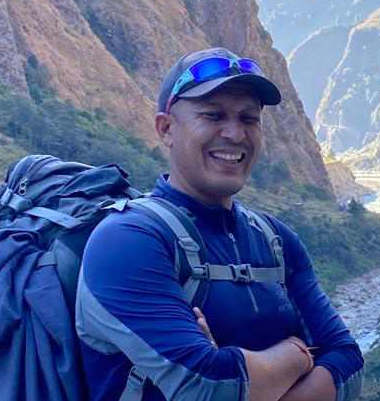
Mera Peak Climbing in Nepal 2026 Price Overview
When is the best time to climb Mera Peak in Nepal?
Getting there & away:
Accommodation & food
Permits
How do I get a Mera Peak climbing permit?
To obtain a climbing permit for Mera Peak, you need to follow a specific process. Here are the general steps involved:
- Choose a licensed trekking agency in Kathmandu: Mera Peak climbing permits can only be obtained through registered trekking agencies in Nepal. Research and select a reliable agency with experience in organizing climbing expeditions in the region.
- Join a climbing group or hire a guide: Mera Peak climbing permits are issued for groups of two or more people. If you don’t have a group, you can join an existing one organized by a trekking agency. Alternatively, you can hire a licensed climbing guide who will arrange the necessary permits on your behalf.
Prepare required documents: Gather the necessary documents to apply for the climbing permit. These typically include:
- Passport: A clear and valid copy of your passport with at least six months of validity remaining.
Climbing resume: Provide a summary of your previous climbing experience.
Insurance: Proof of travel insurance that covers high-altitude trekking and climbing activities.
Emergency contacts: Share the contact details of your next of kin or an emergency contact person.
Passport-sized photos: Typically, you’ll need two passport-sized photographs.
Submit your application: Your chosen trekking agency will handle the permit application process on your behalf. Provide them with all the required documents and information. They will submit the application to the appropriate authorities, such as the Nepal Mountaineering Association (NMA) or the Ministry of Tourism. - Pay the permit fees: Mera Peak climbing permits have associated fees, which may vary depending on the season and the number of climbers in your group. The fees typically include a peak climbing permit fee and an NMA climbing royalty fee. Consult with your trekking agency to determine the exact costs.
- Wait for approval: Once your application is submitted, you’ll need to wait for the authorities to process and approve your climbing permit. The duration can vary, but it usually takes a few days to a week.
- Obtain the climbing permit: Once your permit is approved, your trekking agency will collect it on your behalf. Make sure to review all the details on the permit for accuracy.
- Start your expedition: With the climbing permit in hand, you can proceed with your Mera Peak expedition as planned. Follow the itinerary and guidance provided by your trekking agency and climbing guide.
Remember, the process may vary slightly depending on the specific requirements set by the authorities at the time of your climb. It is crucial to work with a reputable trekking agency that can guide you through the process and ensure compliance with all the necessary regulations.
Can I climb Mera Peak without guide?
While individual trekkers can get their trekking permits and climbing permit only the government-registered trekking agencies can obtain the climbing permit. It is because the Mera peak climbing cannot be done without a Nepal mountain guides .
Is Mera Peak worth it ?
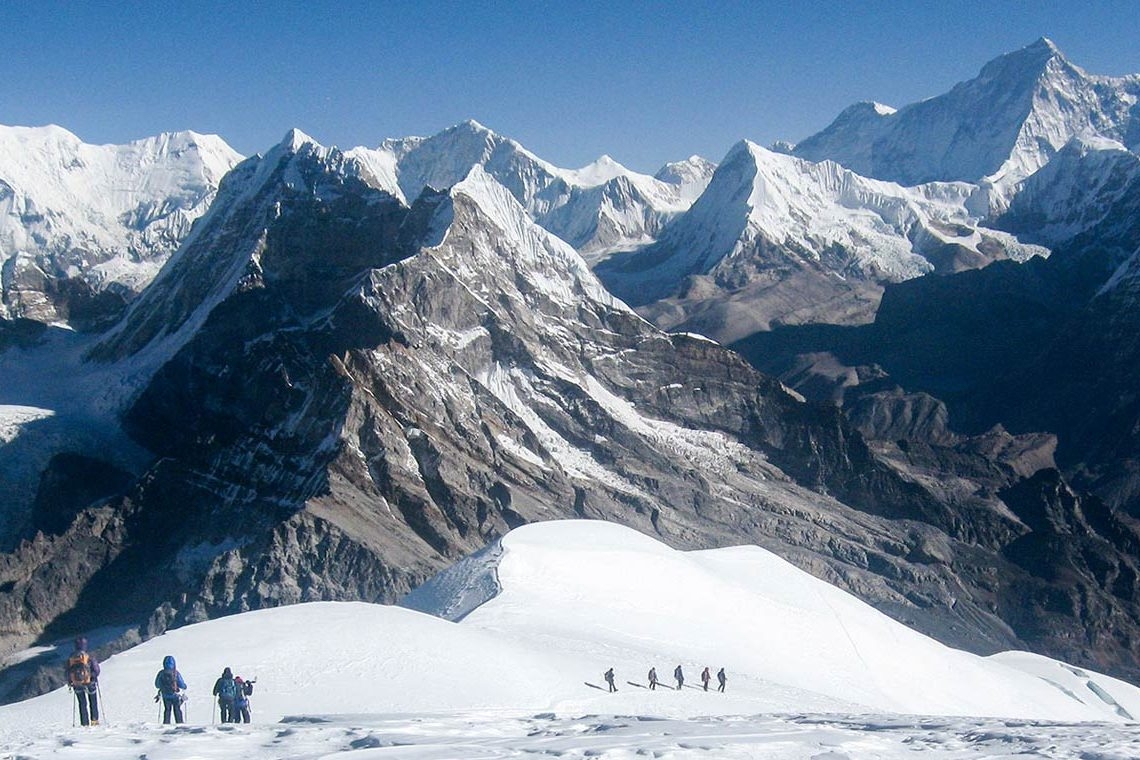
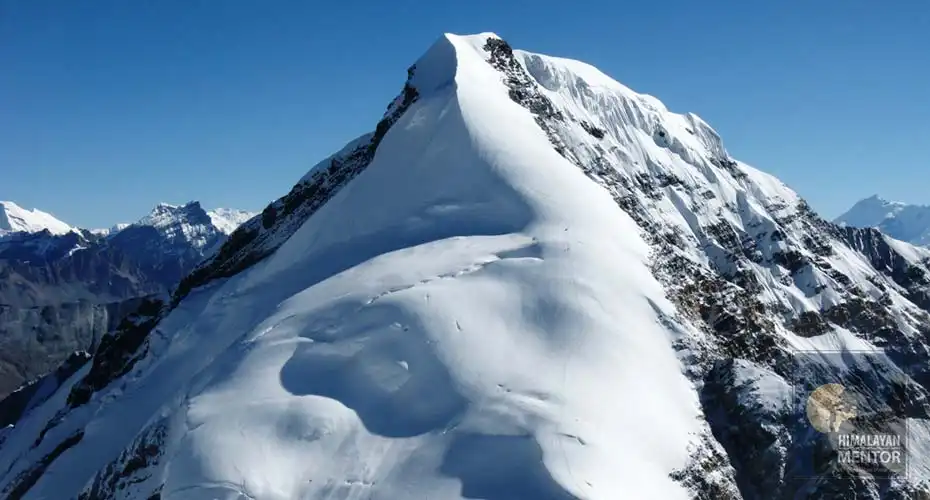
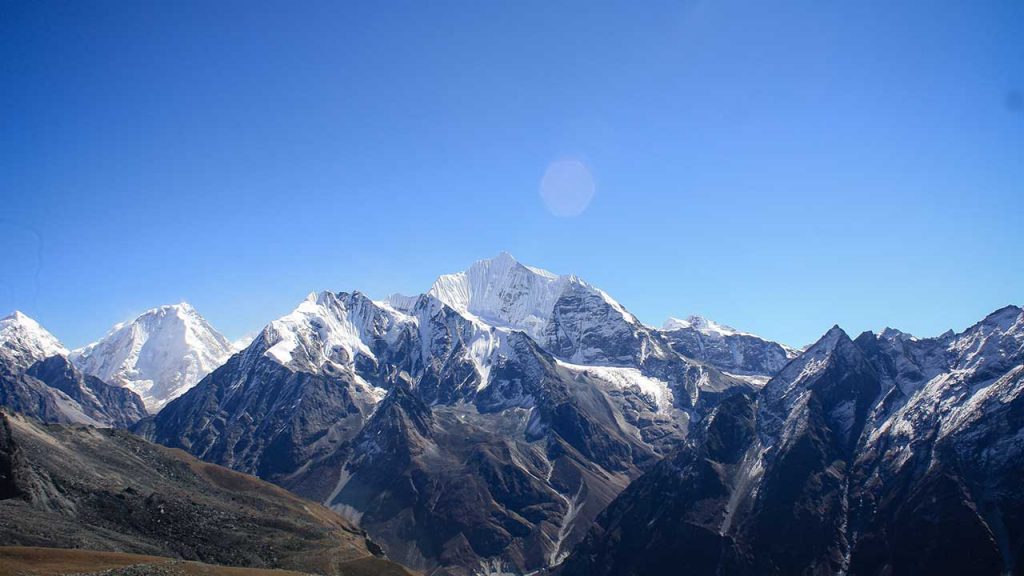
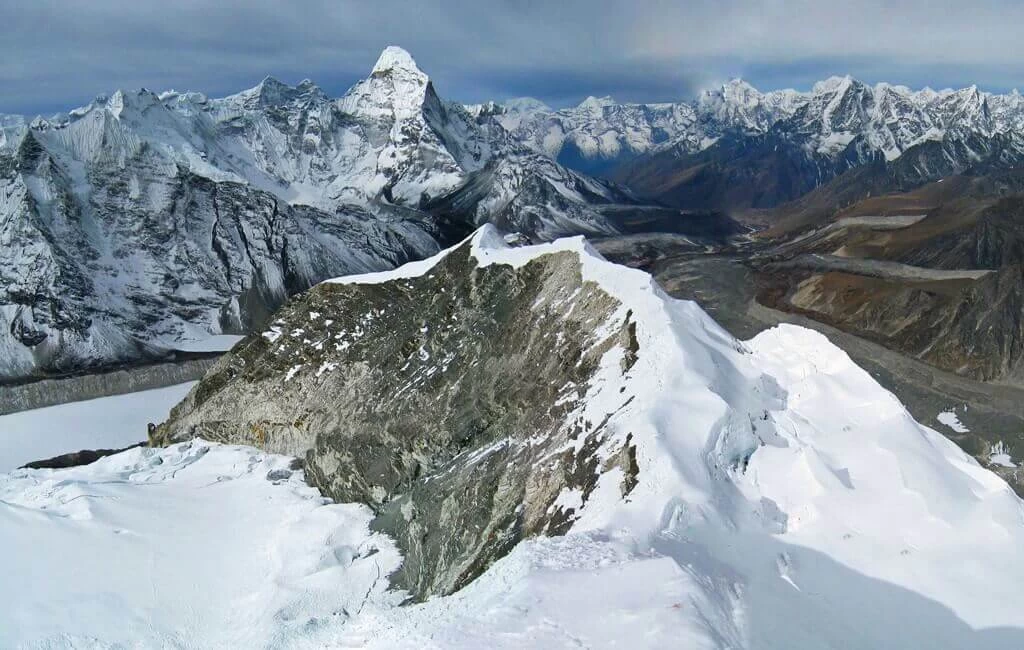
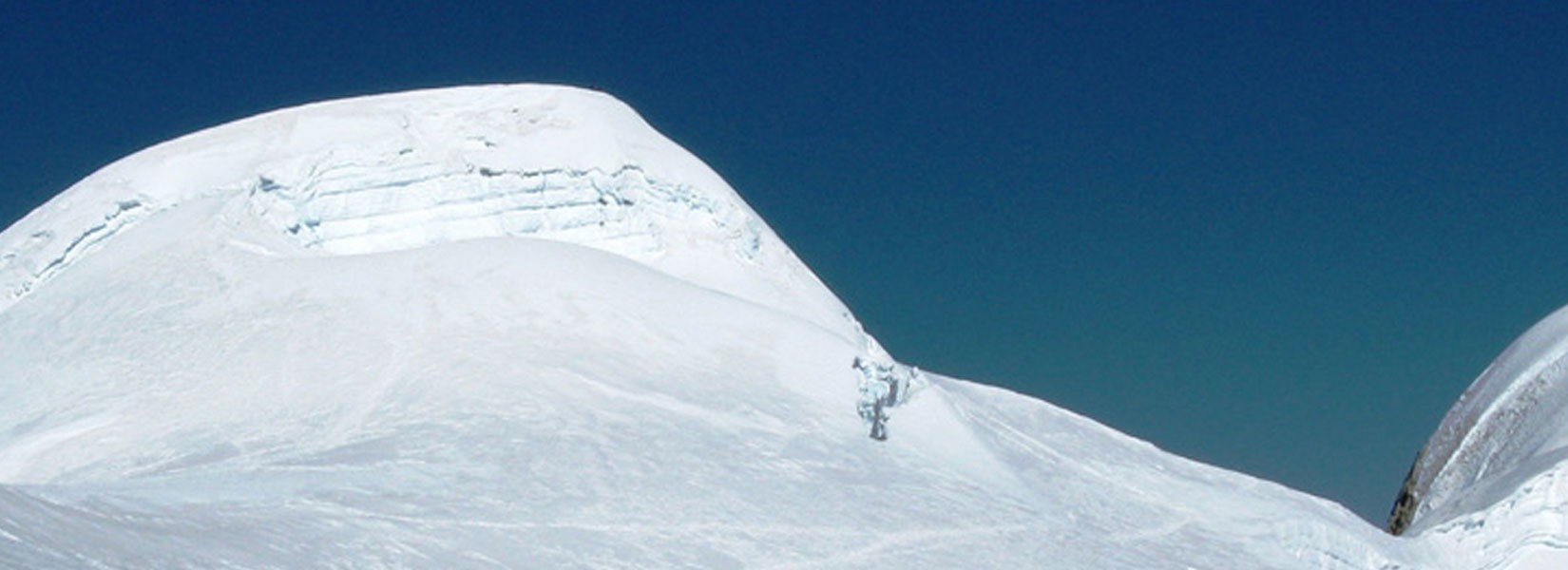
- Mera Peak is considered one of the most popular and accessible trekking peaks in Nepal. Situated in the Khumbu region, it offers breathtaking panoramic views of some of the world’s highest mountains, including Mount Everest, Lhotse, Cho Oyu, and Makalu. The peak stands at an elevation of 6,476 meters (21,247 feet) and provides a challenging but rewarding climb.
Whether or not Mera Peak is worth it depends on your personal preferences, fitness level, and experience with high-altitude trekking. Here are some factors to consider:
Scenic Beauty: Mera Peak trek offers stunning landscapes, including remote valleys, pristine forests, and majestic glaciers. If you enjoy being surrounded by nature’s beauty, Mera Peak can provide a memorable experience.
Trekking and Climbing Experience: Mera Peak is a non-technical trekking peak, which means it doesn’t require advanced mountaineering skills. However, it does demand a good level of physical fitness and some basic climbing techniques. If you have prior trekking or climbing experience and are up for a moderate challenge, Mera Peak can be a suitable choice.
Altitude Considerations: Mera Peak is a high-altitude trek, and altitude sickness can be a potential risk. Adequate acclimatization and proper trekking practices are essential to minimize the chances of altitude-related issues. If you have experience with high-altitude trekking and are aware of the risks and precautions, you can make an informed decision.
Crowds and Serenity: Although Mera Peak is popular, it generally receives fewer crowds compared to other peaks like Everest or Annapurna. If you prefer a more serene and less crowded trekking experience, Mera Peak can be a good option.
Cultural Exploration: The trek to Mera Peak takes you through traditional Sherpa villages, allowing you to immerse yourself in the local culture and witness the unique traditions of the Himalayan people. If you are interested in experiencing the cultural aspects of the region along with the adventure, Mera Peak offers that opportunity.
Ultimately, deciding whether Mera Peak is worth it depends on your personal goals, preferences, and abilities. It’s advisable to consult with experienced trekking agencies or guides who can assess your fitness level and provide detailed information about the trek and its challenges. They can also help you make an informed decision based on your specific requirements.
mera peak climbing price
The cost of climbing Mera Peak can vary depending on various factors such as the climbing season, the services included in the package, the number of climbers in the group, and the level of support required.
On average, the cost of climbing Mera Peak can range from $25,00 to $7,000 per person. This usually includes permits, guide and porter services, transportation, accommodation, meals, and some necessary climbing equipment. However, this cost does not include international flights, personal climbing gear, travel insurance, visa fees, and other personal expenses.
GOOD TO KNOW
NOTE:
1. Lukla flight based from Ramechhap Airport
The note regarding Lukla flights operating from Ramechhap Airport (RHP) in 2026 is accurate, particularly during the peak trekking seasons. This measure is implemented by the Civil Aviation Authority of Nepal (CAAN) to reduce congestion and delays at Kathmandu’s Tribhuvan International Airport (KTM).
Details:
Peak Seasons: Flights are typically rerouted to Ramechhap from March to May (spring) and September to November (autumn). During the off-peak season, flights usually resume from Kathmandu.
Location: Ramechhap Airport (IATA: RHP), also known as Manthali Airport, is located in the Tamakoshi River valley, about a 4 to 5-hour drive east of Kathmandu.
Transportation: Trekkers will need to arrange ground transport from Kathmandu to Ramechhap, often involving very early morning departures from Kathmandu (around 1–2 AM) to catch the morning flights.
Flight Duration: The flight from Ramechhap to Lukla (Tenzing-Hillary Airport) is shorter, lasting about 20–25 minutes, compared to 35-45 minutes from Kathmandu.
Airlines: Major domestic airlines such as Tara Air, Summit Air, and Sita Air operate these flights using small aircraft suitable for the short runway at Lukla.


Have Questions?