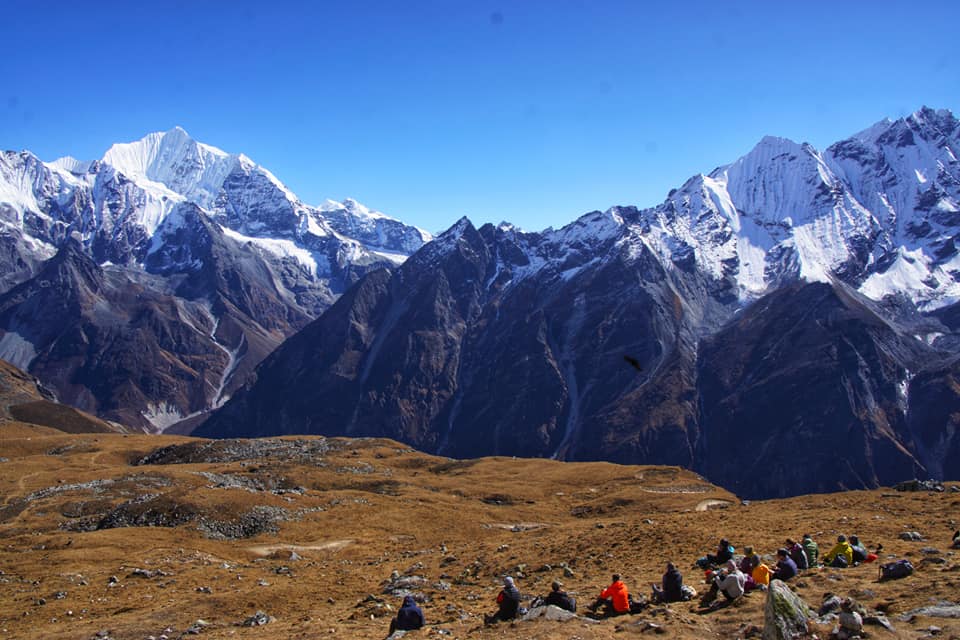
How difficult is Everest base camp trek / hike to ebc

how difficult is Everest base camp trek / hike to ebc & how about old people and young people
How Difficult Is the Everest Base Camp Trek? A Complete Guide for Young and Older Trekkers/ Hikers
The Everest Base Camp Trek is one of the world’s most challenging and famous hiking adventures In Nepal. Every year, thousands of trekkers/ Hikers travel to Nepal to stand beneath the mighty slopes of Mount Everest and experience the breathtaking beauty of the Khumbu region. A common question among travelers is: “How difficult is the Everest Base Camp Trek?”
The honest answer is that the Everest Base Camp Trek is challenging, but it is achievable for most healthy people who prepare properly.
The Real Challenge: Altitude, Not Technical Climbing
Many people imagine ropes, ice axes, and dangerous climbing sections when they think about Everest. However, the trek to Everest Base Camp is a walking journey. There are no technical climbing skills required.
The biggest obstacle is altitude.
Everest Base Camp sits at 5,364 meters (17,598 feet), while Kala Patthar, the highest viewpoint on the trek, reaches 5,545 meters (18,192 feet). At these elevations, the air contains significantly less oxygen than at sea level.
Even strong athletes can experience headaches, fatigue, loss of appetite, dizziness, or nausea. Altitude affects everyone differently, regardless of age, fitness level, or trekking experience.
Can Older People Trek to Everest Base Camp?
Absolutely.
Many trekkers in their 60s and even 70s successfully reach Everest Base Camp every year. Age alone is not a barrier.
What matters most is:
Good overall health
Proper physical preparation
A gradual pace
Adequate acclimatization
Older trekkers who train consistently before the trip often perform better than younger trekkers who arrive unprepared. Patience and steady walking are more important than speed.
Before trekking, older travelers should consult their doctor, especially if they have heart, lung, or blood pressure conditions.
Is the Trek Easier for Young People?
Younger trekkers generally recover faster from long walking days and may have greater physical stamina. However, youth does not provide immunity from altitude sickness.
Many young trekkers underestimate the effects of altitude and walk too quickly, increasing their risk of Acute Mountain Sickness (AMS).
Successful trekkers of all ages follow the same rule:
“Walk slowly, drink plenty of water, and allow your body time to adapt.”
Physical Preparation Before the Trek
The best preparation begins several months before departure.
Recommended training includes:
Regular hiking on hills and trails
Long walks carrying a day pack
Stair climbing exercises
Cycling, running, or swimming for cardiovascular fitness
Leg-strengthening workouts
Aim for at least 3–4 training sessions per week for 8–12 weeks before your trek.
The stronger your fitness foundation, the more enjoyable the experience will be.
Acclimatization: The Key to Success
The most important factor in reaching Everest Base Camp is proper acclimatization.
A well-planned itinerary includes rest days in villages such as Namche Bazaar and Dingboche. These acclimatization days allow your body to adjust to the thinner air.
Remember:
Climb high, sleep low
Drink 3–5 liters of water daily
Avoid alcohol
Listen to your body
Never ignore symptoms of altitude sickness
Descending is always the safest treatment if symptoms become severe.
Weather and Trekking Conditions
Trekkers should be prepared for rapidly changing mountain weather.
During the trek, you may experience:
Warm sunny afternoons
Freezing mornings
Strong winds
Dusty trails
Snow at higher elevations
Layered clothing is essential because temperatures can vary dramatically throughout the day.
Essential Gear for Comfort
The right equipment makes a huge difference.
items include:
Waterproof hiking boots
Quality trekking socks
Moisture-wicking base layers
Warm fleece jacket
Down jacket
Waterproof shell jacket and pants
Warm hat and gloves
Sunglasses
Sunscreen
Sleeping bag rated for cold temperatures
Reusable water bottles or hydration system
Comfortable gear helps conserve energy and improves overall trekking enjoyment.
The Best Walking Strategy
Many first-time trekkers make the mistake of walking too fast.
At high altitude, a slow and steady pace is the most effective strategy.
Maintain a rhythm that allows you to breathe comfortably. Take short breaks when needed, but avoid constant stopping and starting.
The trekkers who move slowly often reach Everest Base Camp more comfortably than those who rush.
What Most People Don’t Expect
The Everest Base Camp Trek is not only a physical journey; it is also a mental challenge.
You may experience:
Reduced appetite
Poor sleep
Cold temperatures
Fatigue
Mild headaches
Emotional highs and lows
These experiences are common and usually temporary. Understanding them beforehand helps you manage them more confidently.
Final Verdict
The Everest Base Camp Trek is demanding but incredibly rewarding.
You do not need to be a mountaineer, marathon runner, or elite athlete. What you need is preparation, determination, patience, and respect for the altitude.
Whether you are 25 or 75 years old, Everest Base Camp can be an unforgettable adventure. Those who prepare well, walk slowly, and allow time for acclimatization have an excellent chance of reaching one of the most iconic destinations on Earth.
The mountain does not reward speed—it rewards patience
Recent Post
- Manaslu Circuit Trek 2026/2027: Cost, Itinerary, Permits & Complete Guide
- 7 Days Langtang Valley Trek -Cost, Itinerary & Difficulties 2026/2027
- Nar Phu Valley Trek – 7 Days | Remote Himalayan Adventure in Nepal
- Everest Base Camp Trek – 14 Days | Complete Guide, Itinerary & Adventure from Kathmandu
- Annapurna Circuit Trek Autumn (September–November)
 Have Questions?